

When spouses divorce in Pennsylvania, determining which assets are marital and which remain separate will have a substantial impact on equitable distribution. The issue becomes especially complicated when a spouse's inheritance, premarital savings, gift, investment account, or other separate property is commingled with marital funds. What Is Commingling of Assets In A Pennsylvania Divorce? Commingling generally occurs when property that originated as one spouse's separate property is combined with marital property. Common examples include: Depositing an inheritance into a joint checking or savings account; Combining premarital savings with marital earnings; Transferring inherited funds into an investment account containing marital assets; Using inherited or premarital funds to purchase a marital residence; Adding a spouse to an account that originally…Read More
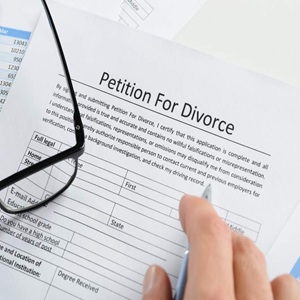
Before filing for divorce in Pennsylvania, it is important to understand the process of filing for divorce and what effects that will have on your life. While the divorce process can be complex, there are a few basics that you should know before starting the process. Here are some frequently asked questions that the Greenberg Legal Group often receives about filing for divorce in Pennsylvania: How do I start the process of filing for divorce? You start the process of filing for divorce in Pennsylvania by filing a Divorce Complaint with the Prothonotary’s Office in the Court of Common Pleas in the county in which…Read More

When families go through divorce, separation, addiction, incarceration, or other difficult circumstances, grandparents often step in to provide the love, stability, and support children need. But many grandparents are surprised to learn that Pennsylvania does not automatically grant grandparents custody or visitation rights. Instead, the law requires grandparents to first establish legal standing before a court will even consider whether custody or visitation is appropriate. Here's what you need to know. Do Grandparents Have Custody Rights In Pennsylvania? Yes—but only in specific situations. Pennsylvania law allows grandparents (and in some cases great-grandparents) to seek custody or visitation under certain circumstances. However, obtaining custody is a…Read More

Understanding Child Support in Pennsylvania: A Guide for Parents Child support is one of the most important aspects of family law because it helps ensure that children continue to receive financial support from both parents after a separation or divorce. In Pennsylvania, child support laws are designed to promote the best interests of the child by requiring both parents to contribute to the child's financial needs according to their income and ability to pay. Whether parents were married, never married, or are divorced, understanding how child support works can help reduce confusion and avoid unnecessary disputes. The attorneys at Greenberg Legal Group are experienced in…Read More

Divorce is stressful enough without wondering what happens to your financial records, texts, or property once the process begins. Discovery the phase where both spouses exchange information and documents relevant to the case is often one of the most confusing and time consuming parts of a divorce. It can involve financial disclosures, depositions, document requests, and more, all governed by specific rules and deadlines. Below are some frequently asked questions that our firm receives about discovery in divorce cases. 1. What is “discovery”? The term “discovery” refers to the process of gathering and providing information which is relevant to your case. Through the discovery process,…Read More

Divorce is rarely a single event—it is a process, and for couples who cannot resolve their differences through agreement, that process moves through the court system. Pennsylvania law refers to this contested path as “litigation,” and while the term can sound intimidating, understanding the general sequence of events can make the experience far less overwhelming. The Litigation Roadmap Filing the Complaint. A case is initiated by filing a Complaint with the Prothonotary of the Court of Common Pleas in the county in which you reside. This Complaint must be formally served on the other party within 30 days. Once an Affidavit of Service of the…Read More

What You Need To Know Before Filing If you are considering pursuing a divorce in Pennsylvania, one of the first legal issues you will need to address are the grounds upon which you are seeking a divorce. Pennsylvania law provides multiple pathways to obtaining a divorce, and understanding which applies to your situation can significantly affect your timeline, your legal strategy, and your outcome. Pennsylvania Is A Mixed-fault And No-Fault State Pursuant to Pennsylvania Code, 23 Pa. C.S. § 3301, Pennsylvania recognizes both no-fault and fault-based grounds for divorce. You do not need to prove wrongdoing to obtain a divorce in Pennsylvania, but fault grounds…Read More
Once you've decided to move forward with a divorce, the next critical decision is how to get there. One of the first and most important decisions you will make is whether to file for divorce and start litigation or pursue a more amicable route through mediation. This choice shapes nearly everything that follows — the cost, the timeline, the level of conflict, and ultimately, how much control you retain over the outcome. There is no one-size-fits-all answer; the right path depends on your specific circumstances, your relationship with your spouse, and what you're hoping to achieve. Understanding the differences between these approaches — and how…Read More